Frontier Organics Grass-Fed Beef Suet Tallow — Honest Review
Looking for a single, multipurpose fat that works in the kitchen, for cast-iron care, and even in homemade skincare? Frontier Organics’ Grass-Fed & Finished Beef Suet Tallow promises just that: small-batch, dry-rendered tallow made from kidney suet of regeneratively raised California cattle. In this review I’ll cover what it is, how it performs, real-world uses, and who should (and shouldn’t) buy it.
Product overview
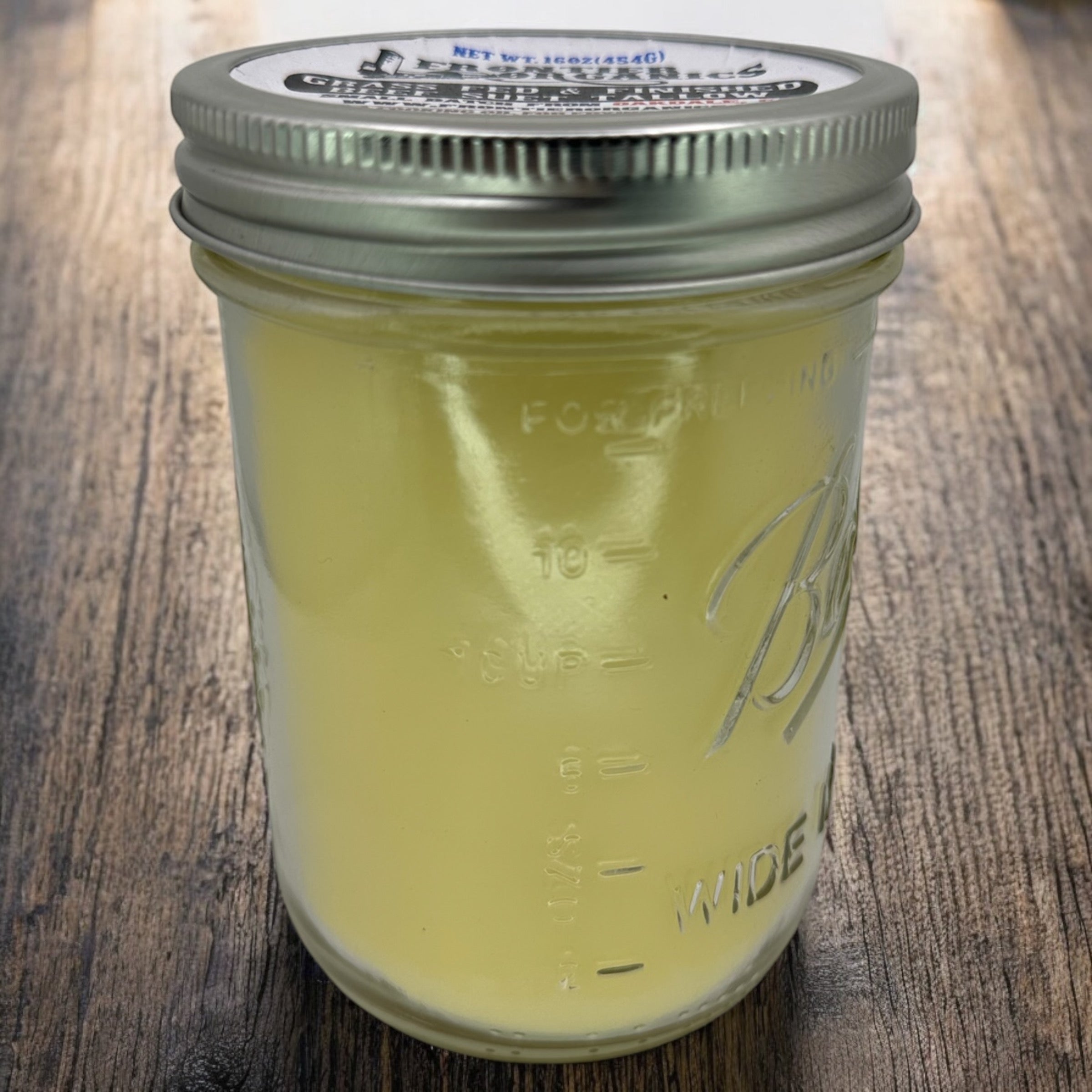
What it is: Pure, dry-rendered beef tallow made from kidney suet of grass-fed and grass-finished cattle. Available in 16oz and 32oz jars.
What it does: Serves as a stable, high-heat cooking fat, an excellent cast-iron seasoning fat, and a traditional base for balms, soaps, candles, and leather conditioners.

Key features and benefits
- Kidney suet only: Uses the firm suet around the kidneys (not softer back fat or trimmings), producing a more stable tallow that holds up in cooking and in balms.
- Grass-fed & grass-finished: Cattle are pasture-raised and finished on grass, not grain-finished in feedlots.
- Small-batch dry-rendering: Slowly rendered at low heat in stainless pots, then filtered through cheesecloth to preserve fat-soluble vitamins and the natural fat profile.
- High smoke point (~400°F): Stable for searing, deep-frying, roasting, and high-heat wok cooking without the rapid oxidation common to seed oils.
- Versatile: Use for fries, flaky pie crusts, seasoning cast iron, or as a base for homemade balms and soaps.
- Long shelf life: Keeps 12+ months at room temperature; longer if refrigerated.
Real-world benefits
- Switching to tallow for frying reduces the risk of heat-driven oxidation that occurs in many commercial seed oils.
- In baking, tallow produces exceptionally flaky crusts and biscuits; it substitutes 1:1 for butter or shortening in most recipes.
- For cast-iron enthusiasts, tallow polymerizes into a durable seasoning layer that resists rancidity better than many vegetable oils.
- DIY skincare makers get a proven tallow base (the same base used by Frontier Organics in their balms) that creams well and stores reliably.
Who this tallow is for
- Home cooks who want a stable, traditional fat for high-heat cooking.
- Carnivore, keto, and ancestral-diet followers avoiding industrial seed oils.
- Bakers seeking flakier pastries and well-textured biscuits.
- Anyone who seasons cast iron frequently and wants a reliable, long-lasting finish.
- DIY skincare makers and homesteaders making balms, soaps, candles, or leather conditioners.
How it compares to common cooking oils
Here are the practical differences that matter in the kitchen and at the workbench:
- Heat stability: Tallow is largely saturated and monounsaturated — chemically stable at high heat. Many seed oils are higher in polyunsaturated fats that oxidize when heated.
- Processing: This tallow is rendered with heat only. Commercial seed oils are often solvent-extracted and refined.
- Shelf life: Properly rendered tallow stores well at room temperature; most seed oils have shorter shelf life once opened, especially if not stored cool and dark.
Kitchen uses and tips
Practical ways to use this tallow, with tips that matter:
- Deep frying: Use for fries or fried chicken. Heat to 350–375°F for best results. Tallow produces a crisp exterior and rich flavor.
- Searing: Preheat pan, add a bit of tallow, and sear steaks and root vegetables until you get a deep brown crust.
- Baking: Swap tallow 1:1 for butter or shortening in savory pastry recipes. Reduce sugar slightly if browning too fast.
- Seasoning cast iron: Melt a thin layer, wipe onto clean iron, and heat until polymerized. Repeat 2–3 times for a durable finish.
Skincare and homestead uses
- Use as the base for balms and salves (tallow + beeswax + carrier oil + essential oils).
- Cold-process soap makers will appreciate the hard bar and creamy lather tallow yields.
- Use as a traditional leather conditioner or candle base for a clean, warm burn.
Packaging, sizes, and price
| Size | Price (USD) |
| 16 oz | $20 |
| 32 oz | $40 |
Pricing is straightforward and predictable: the larger jar gives the same price-per-ounce. If you cook often or make balms, the 32oz size is economical.
What to expect: look, smell, and storage
- Color: Creamy ivory to pale golden — seasonal variations occur (summer grass deepens color).
- Texture at room temp: Firm but scoopable, similar to slightly softened butter.
- Melting: Turns to a clear golden liquid around 95–110°F.
- Scent: Subtle beef aroma when cold; nearly neutral when heated in cooking.
- Storage: Pantry for 12+ months; refrigerate for longer storage. Discard if a rancid smell develops or color darkens significantly.
Pros and cons
- Pros: High-heat stability, versatile uses, small-batch dry-rendered quality, long shelf life, grass-finished sourcing, excellent for cast iron and DIY skincare.
- Cons: Animal product (not vegan), distinct traditional animal-farm origin may not suit all diets, some cooks prefer neutral vegetable oils for specific recipes.
“Pure rendered grass-fed beef tallow, slowly dry-rendered from the kidney suet of regeneratively raised California cattle.”
Final verdict — who should buy it (and who shouldn’t)
If you want a single, multipurpose fat that’s built for practical use — frying, baking, seasoning cast iron, and making balms — Frontier Organics Grass-Fed & Finished Beef Suet Tallow is a high-quality option. The small-batch dry-rendering and use of kidney suet set it apart from cheaper, industrial tallow cuts. It’s especially suited for:
- Cooks who avoid processed seed oils and want stable, high-heat fats.
- Bakers and pastry makers chasing flakier textures.
- Cast-iron users who value durable seasoning without rancidity.
- DIY skincare makers and homesteaders who prefer traditional bases.
Who should probably skip it:
- Vegans and anyone who avoids animal products entirely.
- People who need a completely neutral-flavored oil for delicate desserts where a lighter mouthfeel is required (some pastries may favor butter for flavor).
Bottom line: Frontier Organics’ tallow is a well-made, versatile product that earns its place in kitchens and workshops where traditional, stable fats are preferred. If you cook at high heat, work with cast iron, or make your own balms and soaps, this is a reliable jar to keep on the pantry shelf.
Have specific questions about cooking with tallow or DIY balm ratios? Leave a comment below and I’ll share practical ratios and recipe ideas.
Get code here 15% OFF: Frontier Organics, LLC