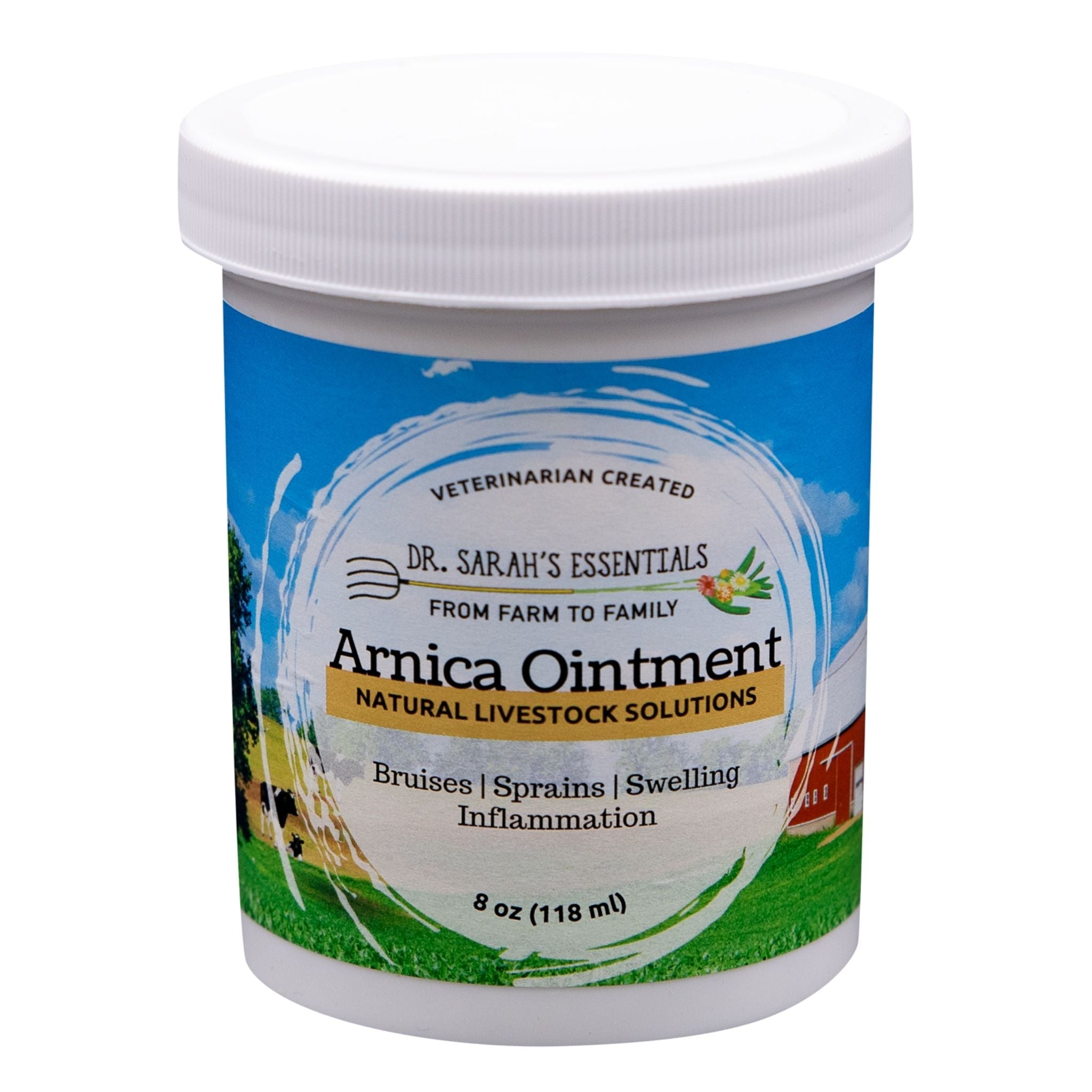
Arnica Ointment for Livestock Review — Natural skin care that actually works?
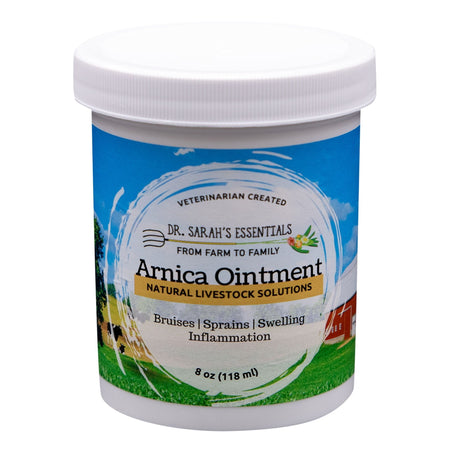
If you manage cattle, horses, goats, or a backyard herd, damaged skin and irritated tissue are daily headaches. Dr. Sarah’s Essentials Arnica Ointment promises a 100% natural way to support skin comfort and tissue health in livestock. In this hands-on review I break down what it does, how it’s made, how to use it safely, and whether it’s worth adding to your barn first-aid kit.
Quick overview: What is Arnica Ointment?
Arnica Ointment by Dr. Sarah’s Essentials is a topical herbal ointment formulated specifically for livestock skin and tissue support. It blends arnica, calendula, and turmeric in an oil-and-beeswax base with neem and targeted essential oils (tea tree, rosemary, lemongrass). The formula is designed to support areas with dryness, bruising, irritation, inflamed tissue, and some surface infections like ringworm — and can be used carefully around irritated eyes (avoid direct eye contact).
Available sizes: 8 oz ($19.00), 16 oz ($32.00), 32 oz ($56.95) and 1 gallon ($179.95). Customer rating: 5.0 from 8 reviews.
Key benefits at a glance
- Supports skin comfort and tissue health in livestock
- May help with bruised, swollen, or irritated tissue
- Can be applied carefully around eye margins to aid pink eye recovery and discourage flies
- Helpful for ringworm and other surface irritations when used externally
- Made with non-toxic, natural ingredients suitable for sensitive areas when used correctly
Key features and real-world benefits
Herbal actives: Arnica, calendula and turmeric
The core of this ointment is a trio of botanicals commonly used in animal and human topical care. Arnica and calendula have a long history of use for bruising and inflamed tissue, while turmeric adds antioxidant-rich support. In practice this means the ointment is well-suited for:
- Post-trauma skin that needs gentle handling (bruises, mild swelling)
- Repeatedly rubbed or chafed areas such as fetlocks and girth lines
- Superficial skin conditions where a soothing, protective layer is wanted
Natural carrier oils and beeswax for barrier and moisture
Organic olive oil, grapeseed, castor, safflower, and beeswax create a nourishing, occlusive base. That combination seals moisture in without feeling greasy or attracting excessive dirt. On livestock this helps cracked or dry skin heal without constant reapplication.
Essential oils & neem: added protection and fly deterrence
Tea tree, rosemary, and lemongrass essential oils bring botanical compounds that support healthy skin microenvironment. Neem oil is included for its traditional use against skin pests. Practically, the ointment can help discourage flies around irritated eye areas — important when fly pressure contributes to reinfection or delays recovery from pink eye.
Safe for sensitive areas with precautions
The product notes careful use around the eye area (apply around the eye, avoid direct contact). That’s a useful real-world feature: when applied correctly the ointment can soothe irritated eyelids and discourage flies, but it must not be put into the eye itself.
How to use Arnica Ointment (practical directions)
- Clean the area gently to remove dirt and debris.
- Apply a small amount and massage lightly into the skin.
- Around eyes: apply carefully around the eye margin only; avoid contact with the eye and mucous membranes.
- For ringworm or surface irritations: apply externally and monitor. If lesions worsen or do not improve, consult your veterinarian.
- Reapply as needed. The beeswax/oil base means a little goes a long way.
Who this product is best for
- Small-scale livestock owners and hobby farmers who prefer natural, low-toxicity options for skin care
- Ranchers needing a versatile ointment for bruises, chafes, dry skin, and minor surface irritations
- Equine caretakers looking for a non-greasy ointment for rubbed patches, girth sores, and minor trauma
- Anyone wanting a product formulated specifically for livestock with clear directions and safe ingredient choices
Pros and cons — quick comparison
Pros
| Cons
|
Price, sizes and value
Arnica Ointment comes in four sizes: 8 oz ($19), 16 oz ($32), 32 oz ($56.95), and 1 gallon ($179.95). For regular barn use the 16–32 oz sizes balance cost and convenience. There are subscribe-and-save options (monthly to every 6 months) offering discounts — useful if you use this product seasonally when fly pressure is high or during breeding and calving times.
Final verdict — should you buy Dr. Sarah’s Arnica Ointment?
Verdict: Recommended for most livestock owners who want a natural, multi-purpose topical ointment for skin comfort, minor bruises, irritated tissue, and fly-prone eye margins. It’s a practical, well-formulated product from a brand focused on animal health and non-toxic ingredients.
Buy if you want:
- A reliable, natural ointment for everyday barn first aid
- Something safe to use on sensitive areas with proper care
- Multiple size options and subscription discounts
Do not buy if you need:
- A prescription topical for serious infections or deep wounds — consult a veterinarian instead
- A product guaranteed to eliminate systemic infections — this is external support only
Bottom line
Dr. Sarah’s Essentials Arnica Ointment is a solid addition to any livestock first-aid kit. It combines time-tested botanicals with nourishing carrier oils and fly-discouraging essential oils. For routine skin care, minor trauma, and support around irritated eyes (used carefully), it delivers a practical, low-toxicity option that many farmers and hobbyists will appreciate.
Tip: Keep a jar in your grooming kit during fly season and a larger jar in the barn during calving and foaling — you’ll use less than you expect, but having it on hand saves time and reduces stress for animals.
FAQ (short)
Can I use Arnica Ointment on wounds?
Use on superficial wounds and abrasions after cleaning. For deep, infected, or heavily bleeding wounds consult a veterinarian.
Is it safe for all livestock?
Formulated for livestock including cattle, horses, goats, sheep, and swine. Avoid ingestion and keep out of reach of animals that will lick it off repeatedly.
How often should I apply it?
Apply a small amount as needed. Reapply when the area becomes dry or after cleaning. Monitor for improvement; discontinue and seek vet care if there’s no progress.
Get code here 10% OFF: Dr. Sarah’s Essentials